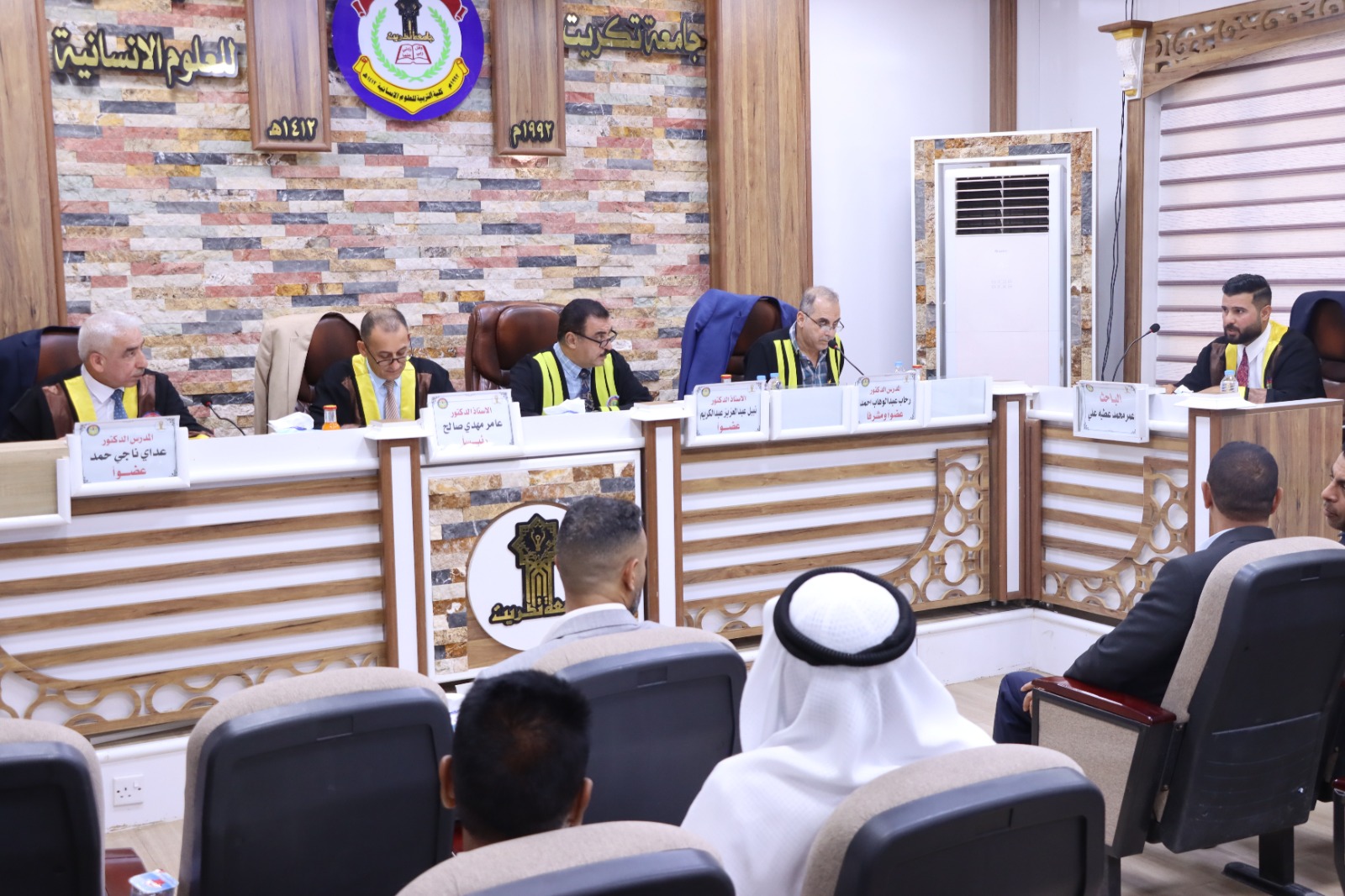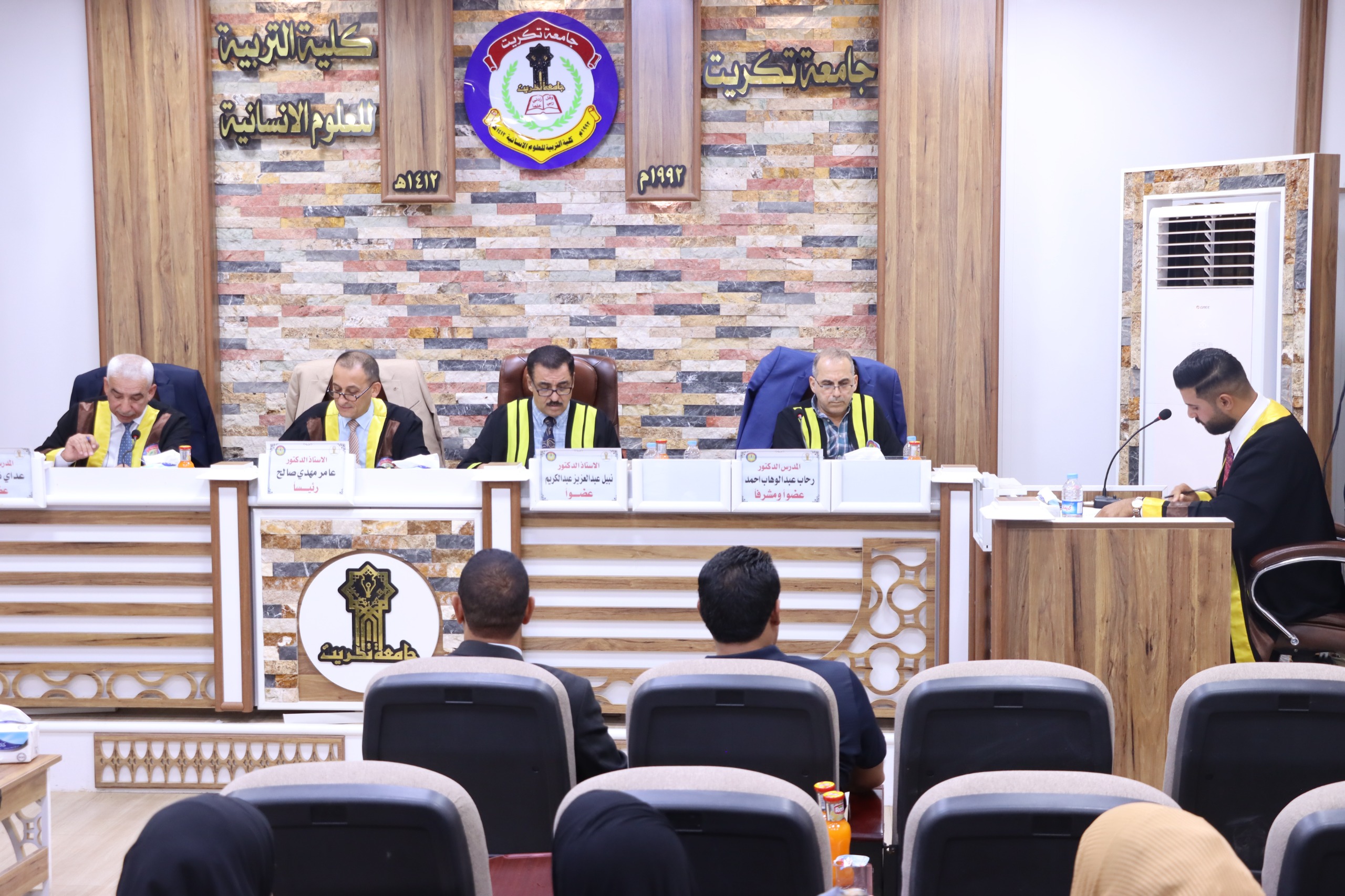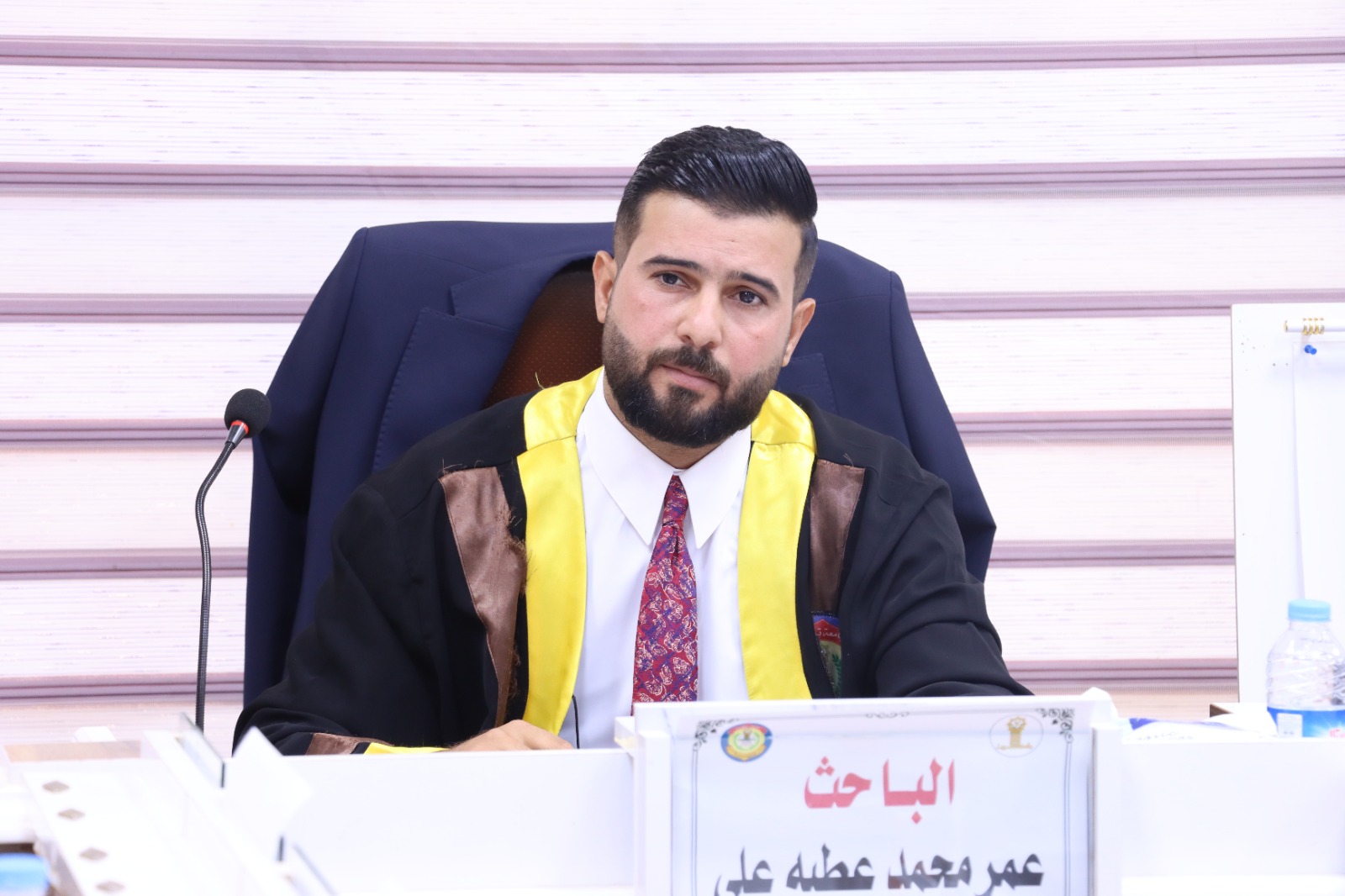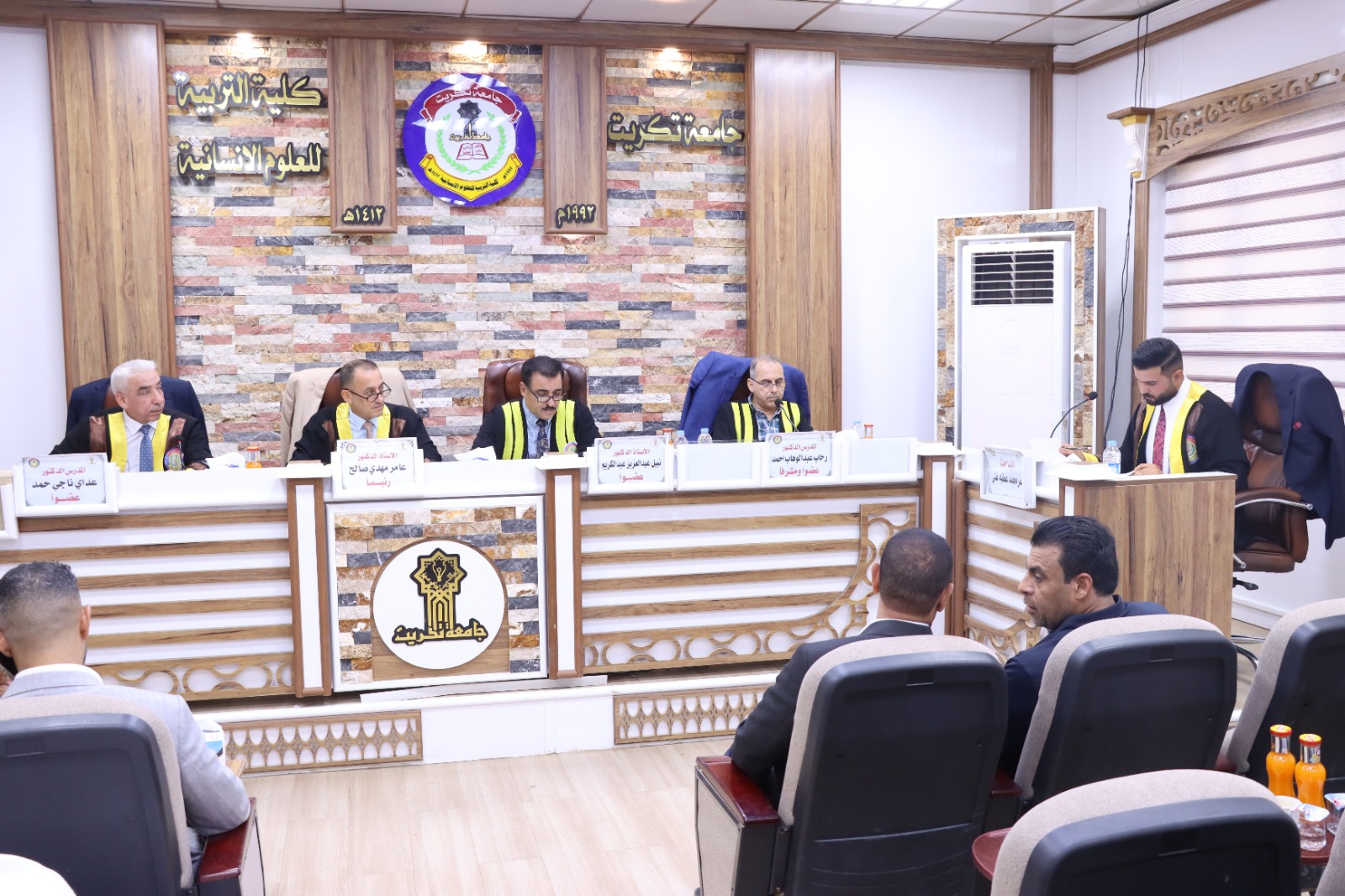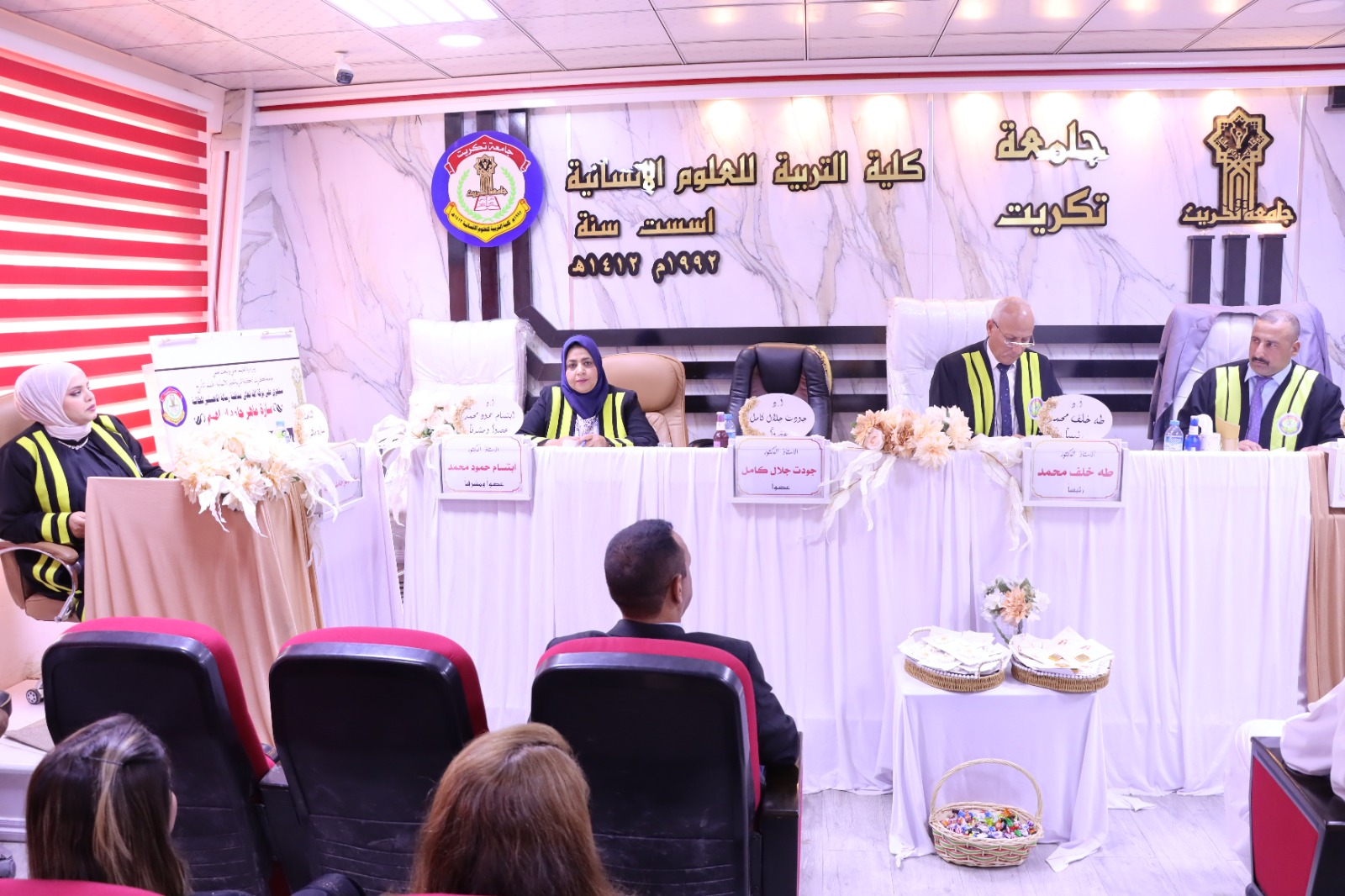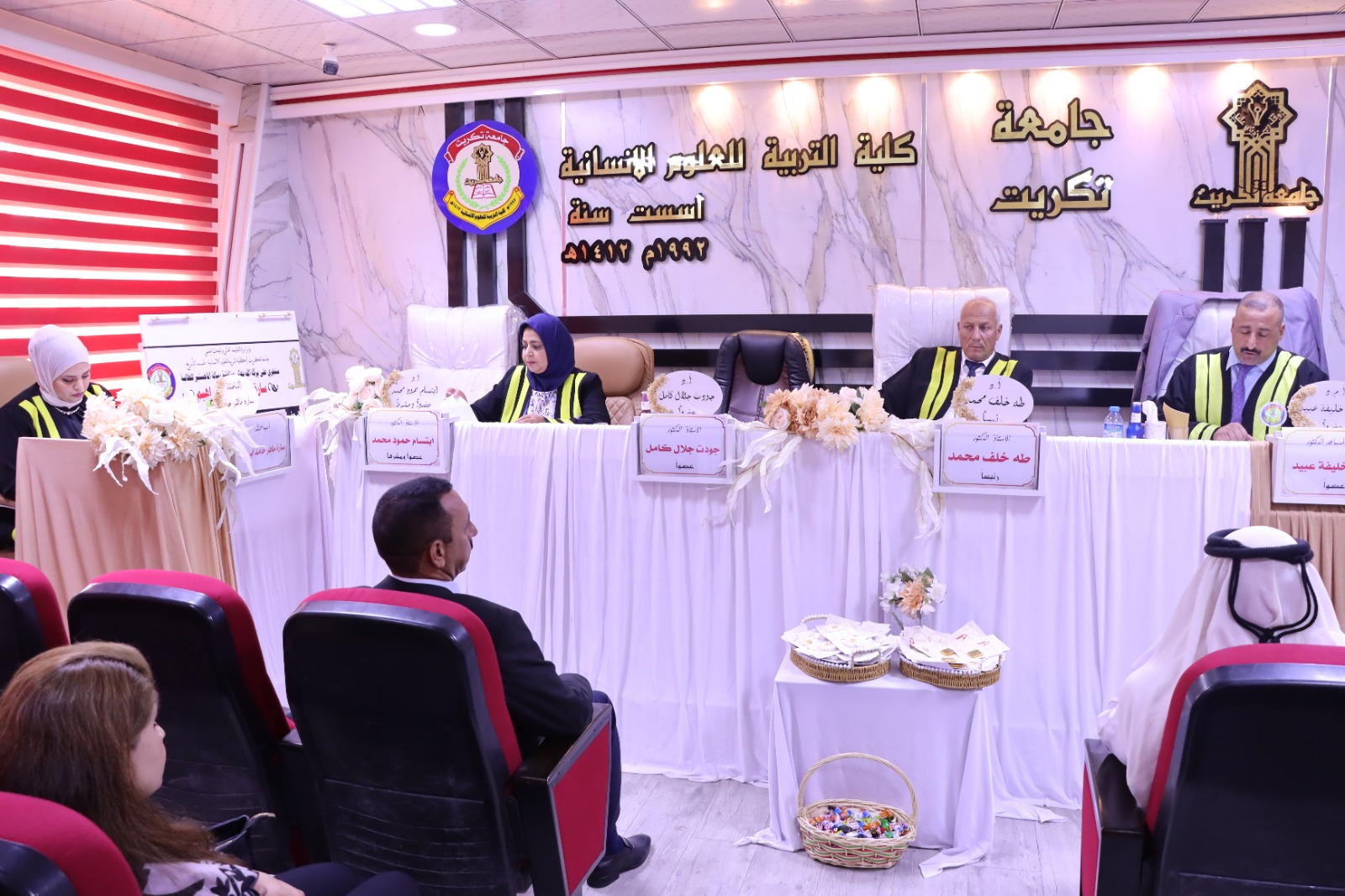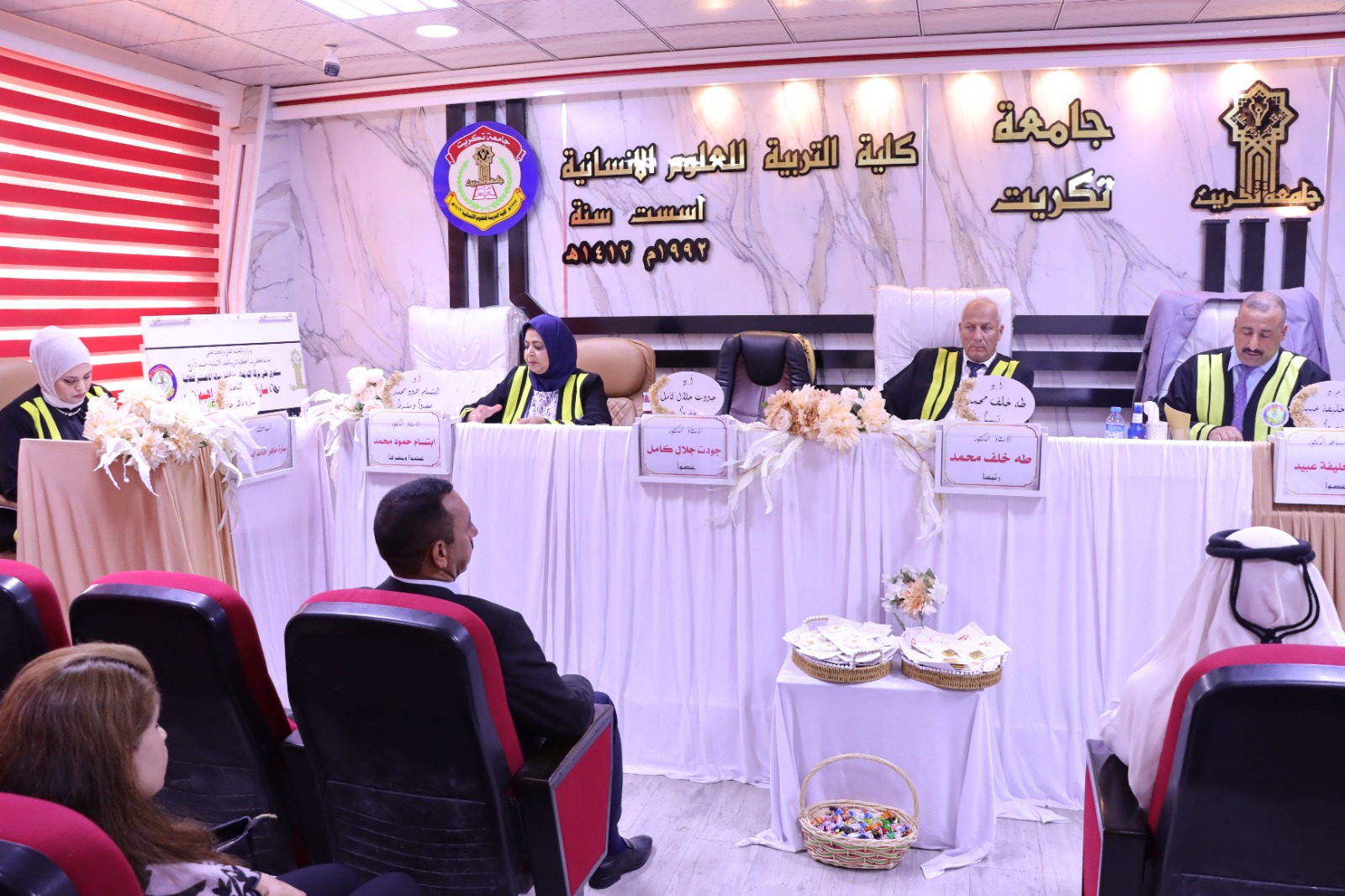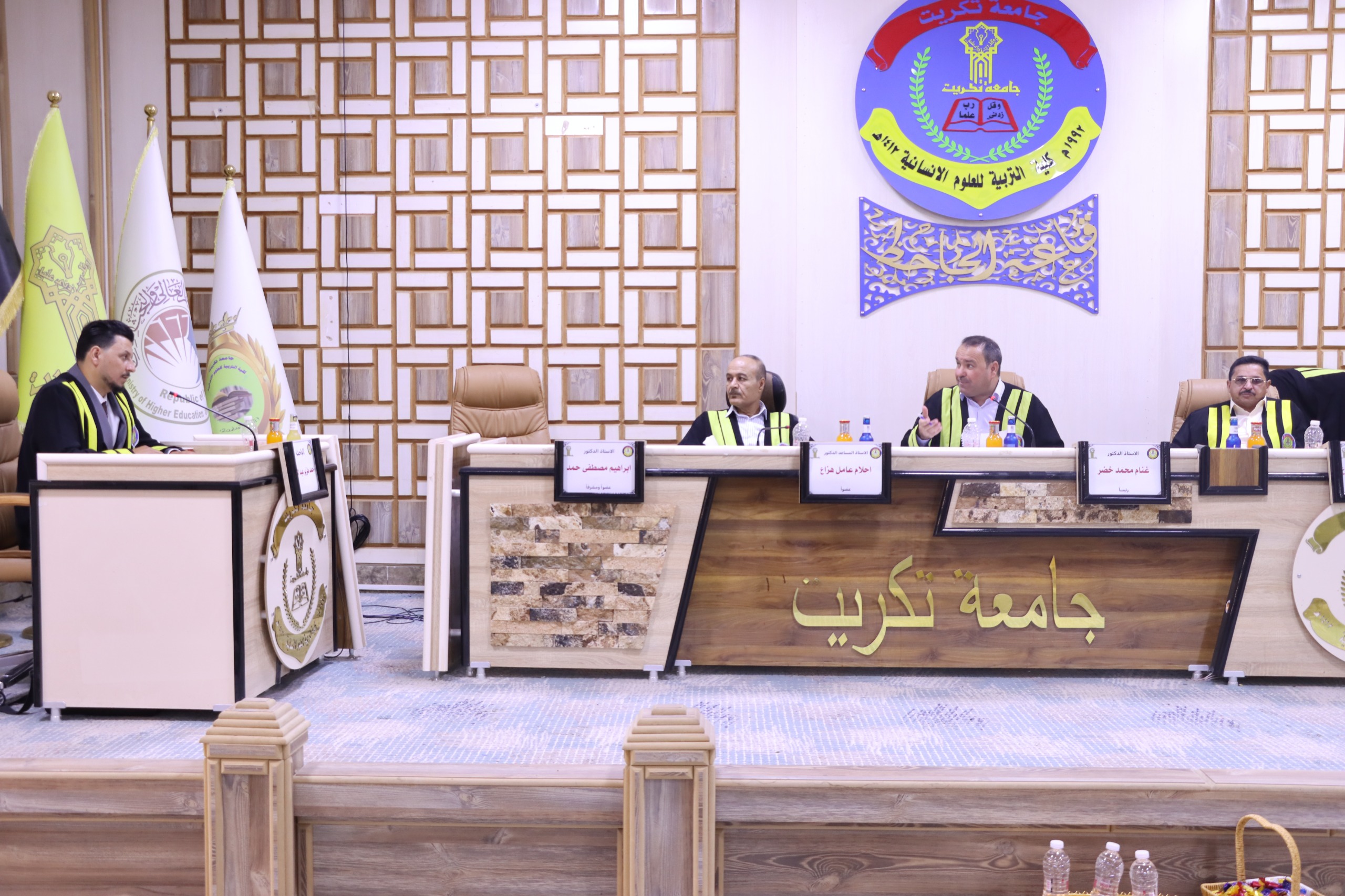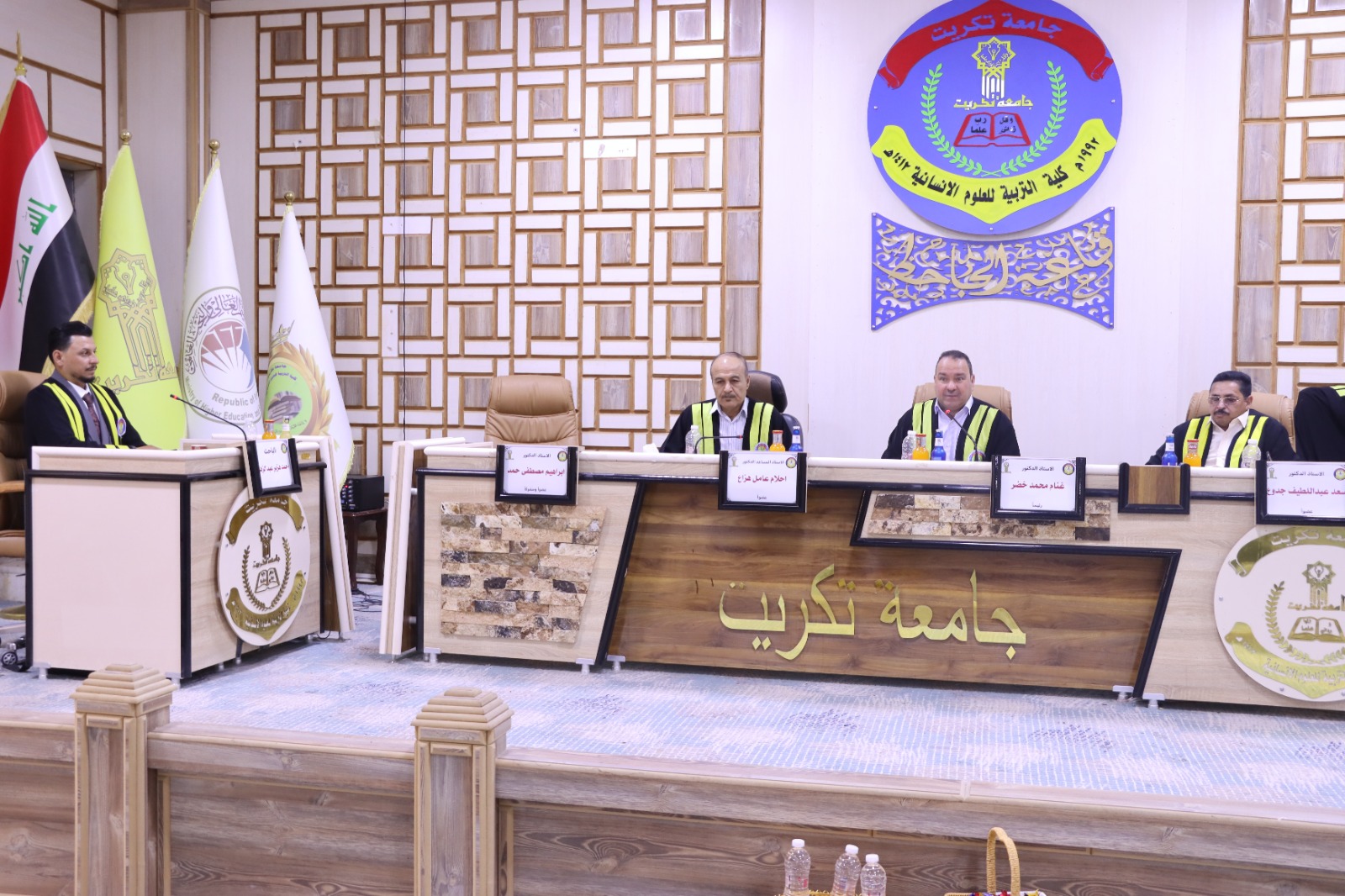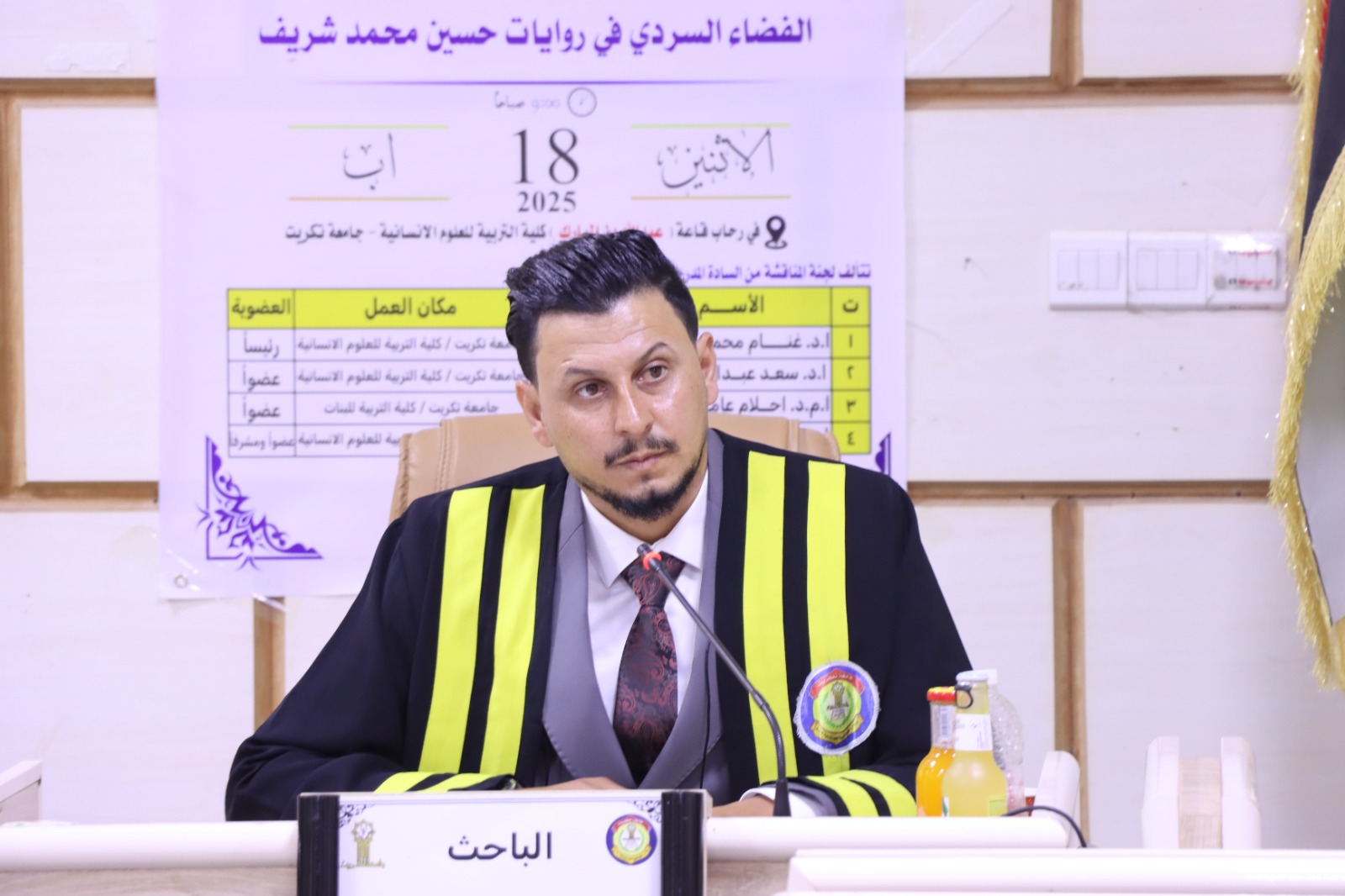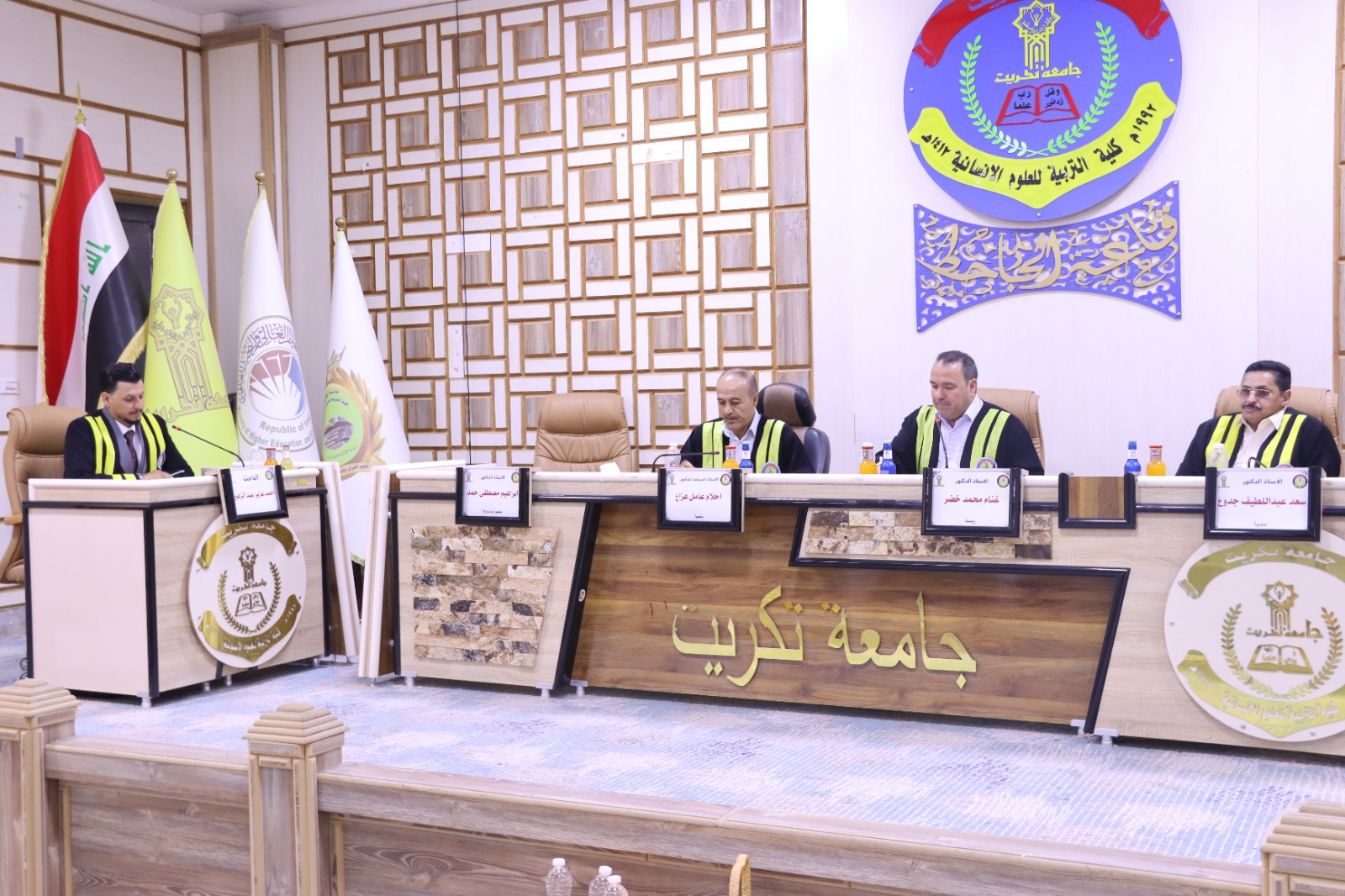
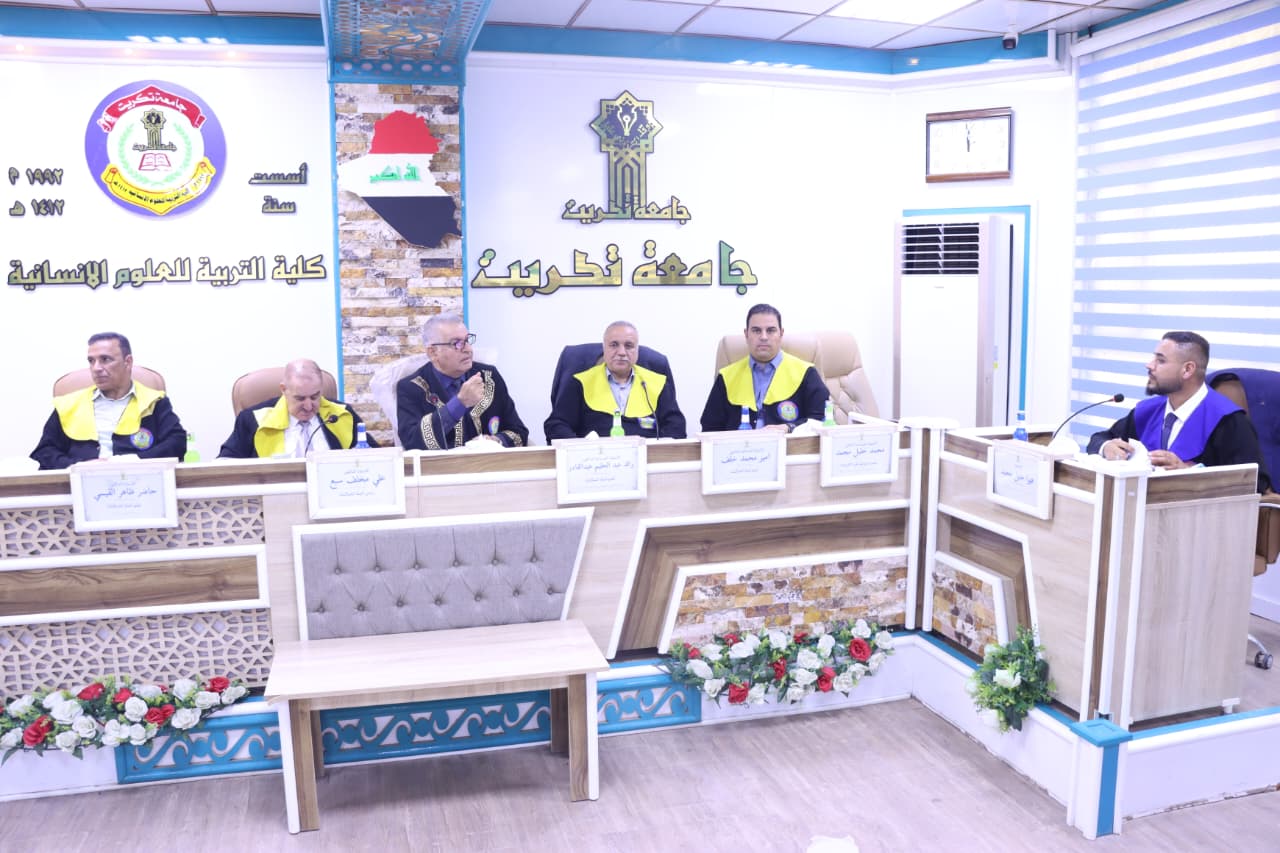
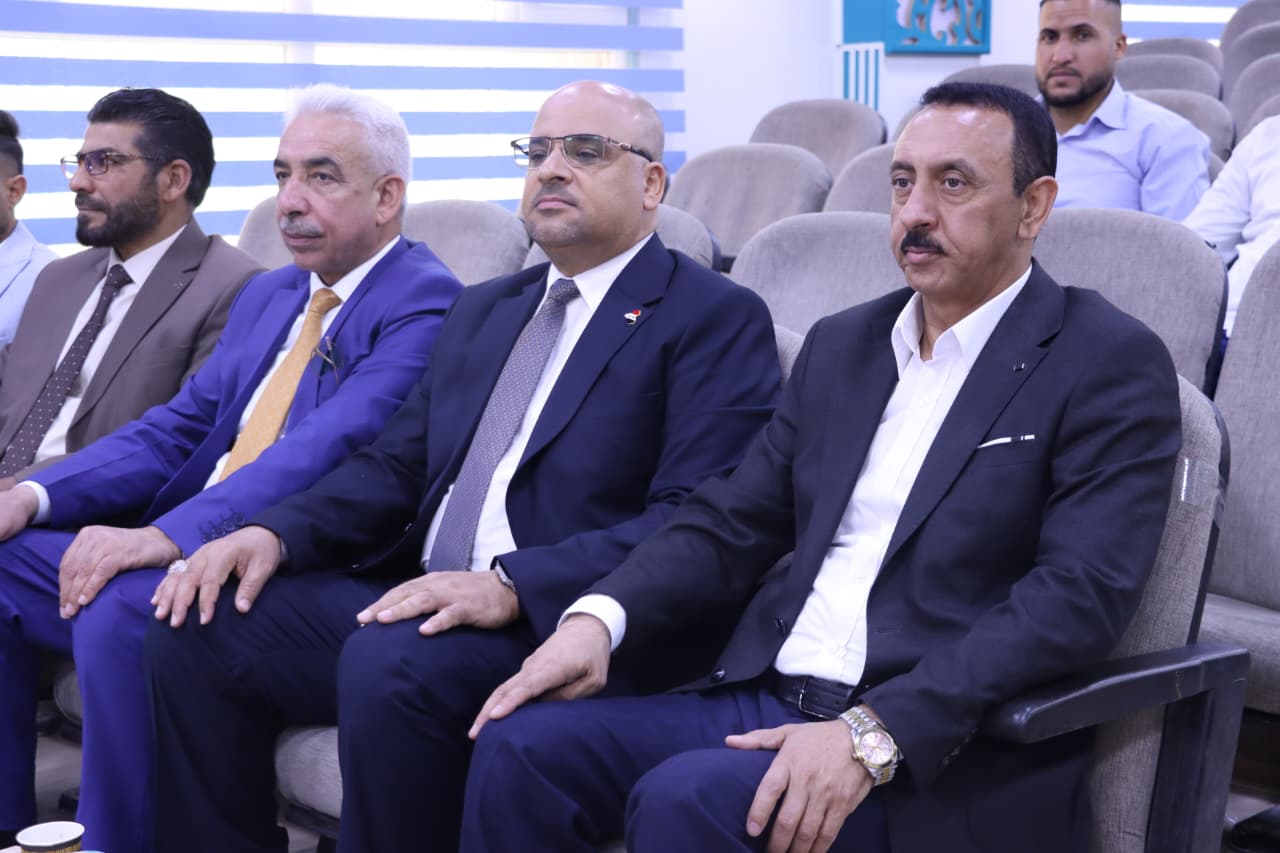
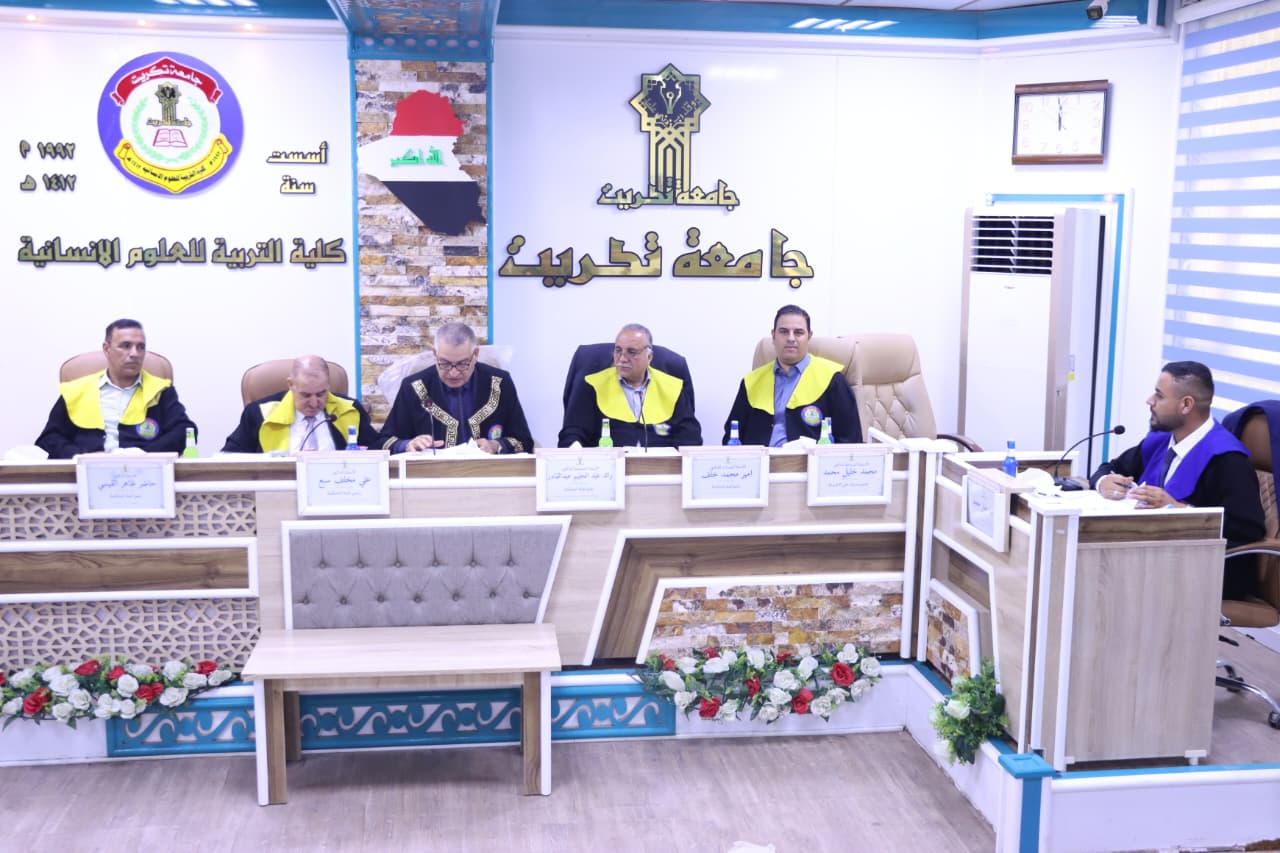
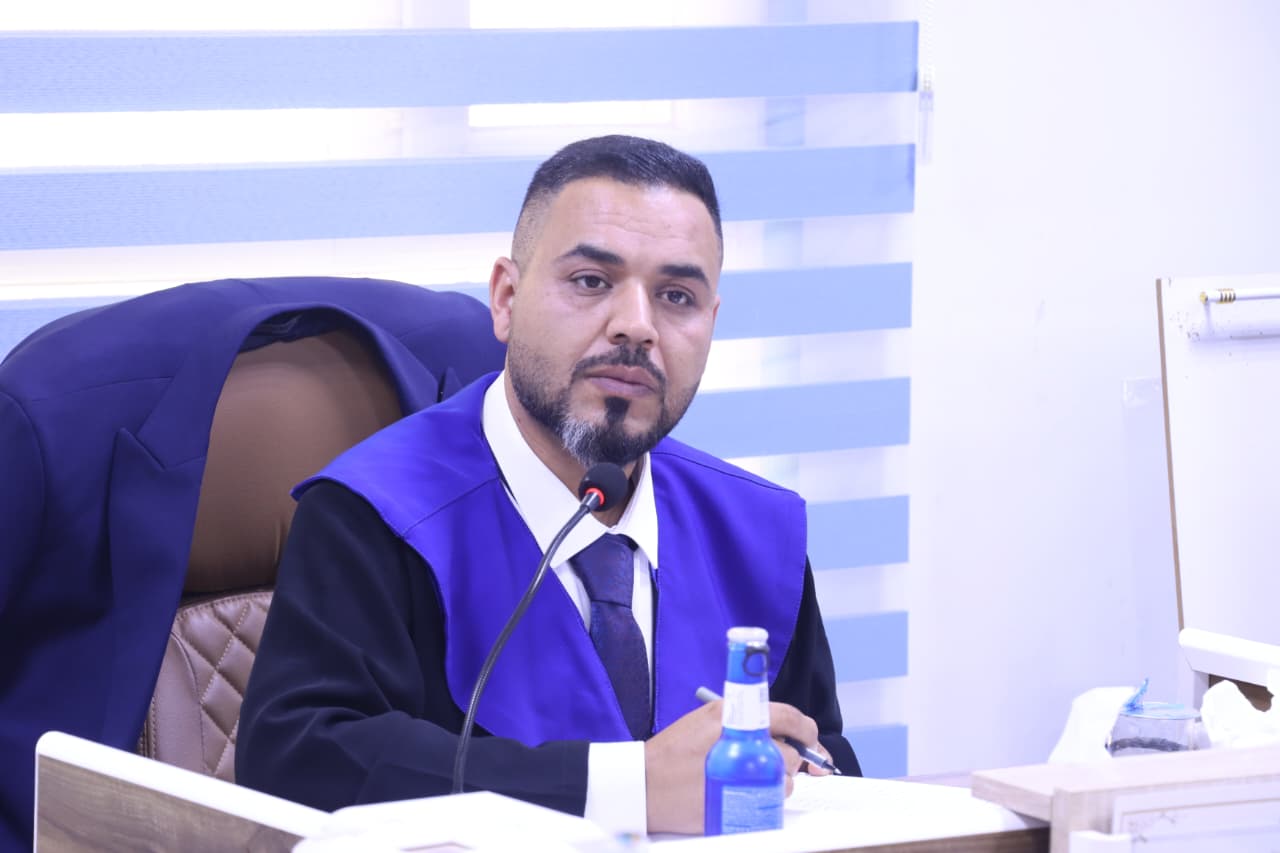
A doctoral dissertation was discussed in the Department of Geography at the College of Education for Humanities on Sunday (May 10, 2026), submitted by the candidate Hiwa Khalil Mohammed Al-Shwani, entitled “Modeling Geomorphological Processes in the Warti Area, Northeast of Erbil Governorate.”
The study aimed to model the geomorphological processes in the Warti area, located in northeastern Iraq, with a total area of (229.3 km²), through the development of an integrated spatial model that combines structural, climatic, and hydrological factors. The research relied on Geographic Information Systems (GIS), remote sensing techniques, and a Digital Elevation Model (DEM) with a spatial resolution of (30 m). The study was based on the hypothesis that variations in morphometric and tectonic indicators reflect spatial differences in the intensity of geomorphological processes.
The study reached several findings, including:
- Tectonic activity indices (AF, T-index, Bs, LS, Vf) indicated that the study area is still subject to relatively active structural processes, manifested in basin elongation, deflection of drainage axes, and valley incision, which reflect the continued influence of tectonic uplift in shaping the terrain.
- The natural characteristics of the area demonstrated that the tectonic structure, combined with steep slopes and high relief, has created a morphologically unstable surface highly sensitive to climatic and dynamic influences.
- The results of climatic and hydrological modeling confirmed that rainfall intensity, together with slope steepness, contributes to increased erosion, sediment transport, and accelerated surface runoff, giving the region a clearly dynamic geomorphological character.
The dissertation committee consisted of the following members:
- Prof. Dr. Ali Mukhlif Sabaa – University of Tikrit, College of Education for Humanities (Chair)
- Prof. Dr. Hader Dhahir Al-Qaisi – Retired, University of Tikrit (Member)
- Asst. Prof. Dr. Mohammed Atiyah Salih – University of Tikrit, College of Education for Humanities (Member)
- Asst. Prof. Dr. Amir Mohammed Khalaf – University of Anbar, College of Education for Humanities (Member)
- Asst. Prof. Dr. Raed Abdulhameed Abdulqadir – University of Tikrit, College of Education for Humanities (Member)
- Asst. Prof. Dr. Mohammed Khalil Mohammed – University of Tikrit, College of Education for Humanities (Member and Supervisor)
Media and Government Communication Division
College of Education for Humanities – University of Tikrit